




2026-10-20 00:47:21
Sign up for our newsletter/email specials

Find Your Perfect Sex Toy – Take Our Pleasure Products Quiz!


Written by the Starship Education Team
Last Updated:
Menopause is a natural transition for sexual intimacy. Many people experience changes in their bodies and sexual response during this time. However, these changes are not the sign that your satisfying sex life is ending, it’s just evolving. Useful menopause sex tips often include strategies to address all the specific changes and how they interact with each other.
Menopause affects a diverse range of individuals, including cis women, trans men, non-binary people, and others assigned female at birth. The experience can differ significantly based on hormone therapy, surgical history, and personal identity. Recognizing and validating these unique experiences is an important part of providing supportive care and information.
Menopause affects many people differently, including cis women, trans men, and non-binary individuals. Hormone therapy can influence symptoms, so working with a knowledgeable healthcare provider is important.
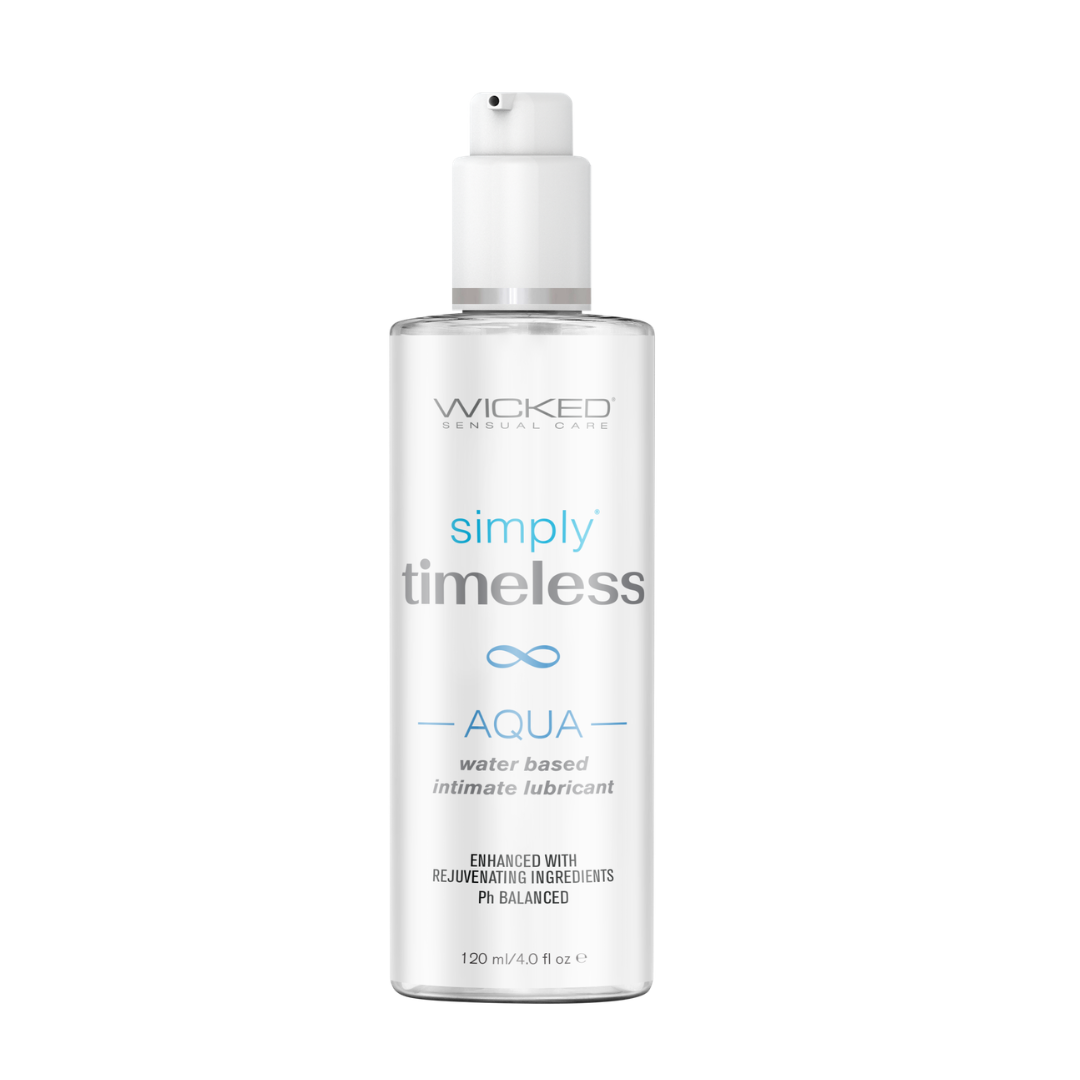
Vaginal dryness and pain during sex are common but treatable. Lubes and moisturizers are effective first-line solutions, and products like the Wicked Sensual Care simply timeless® collection are formulated specifically for menopausal symptoms.
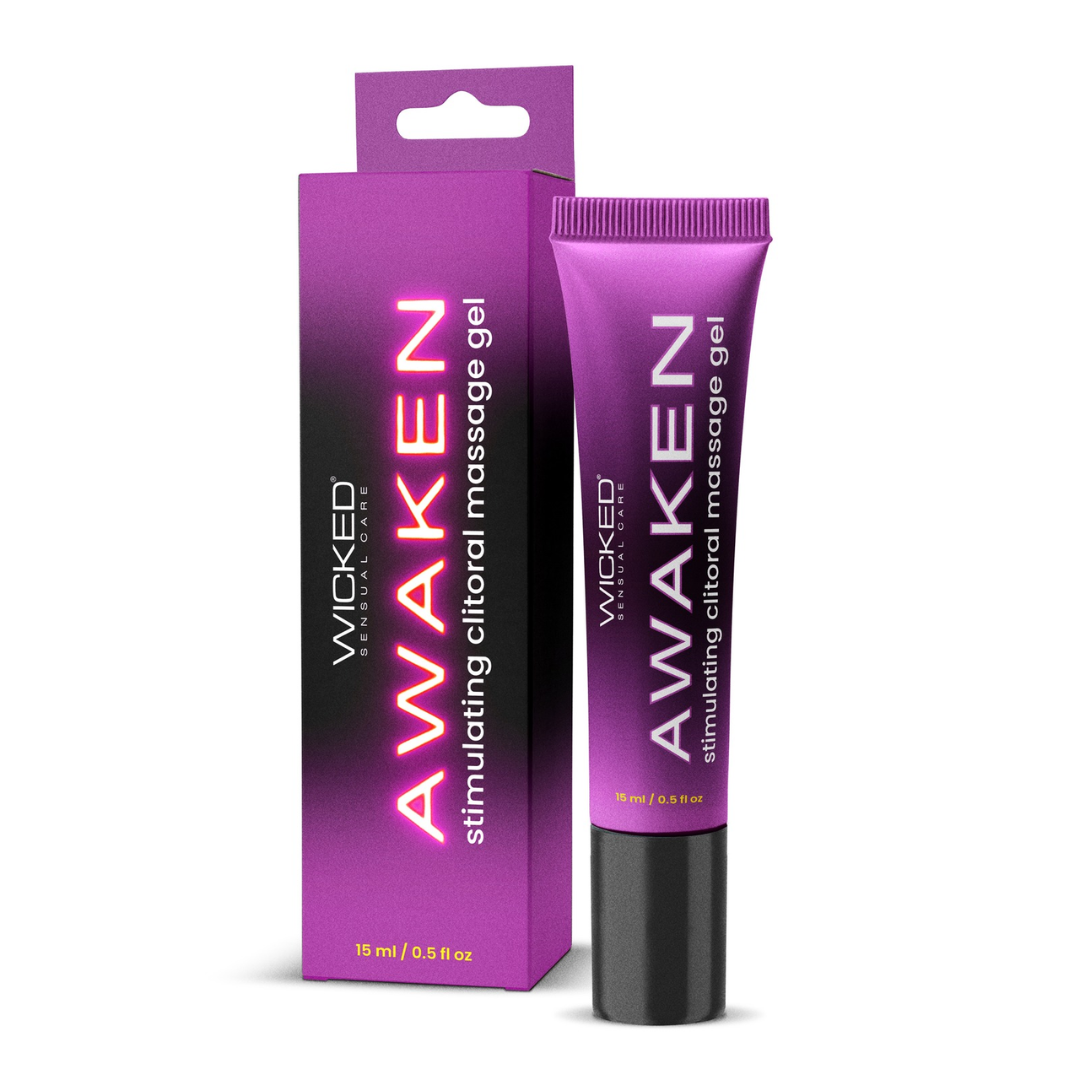
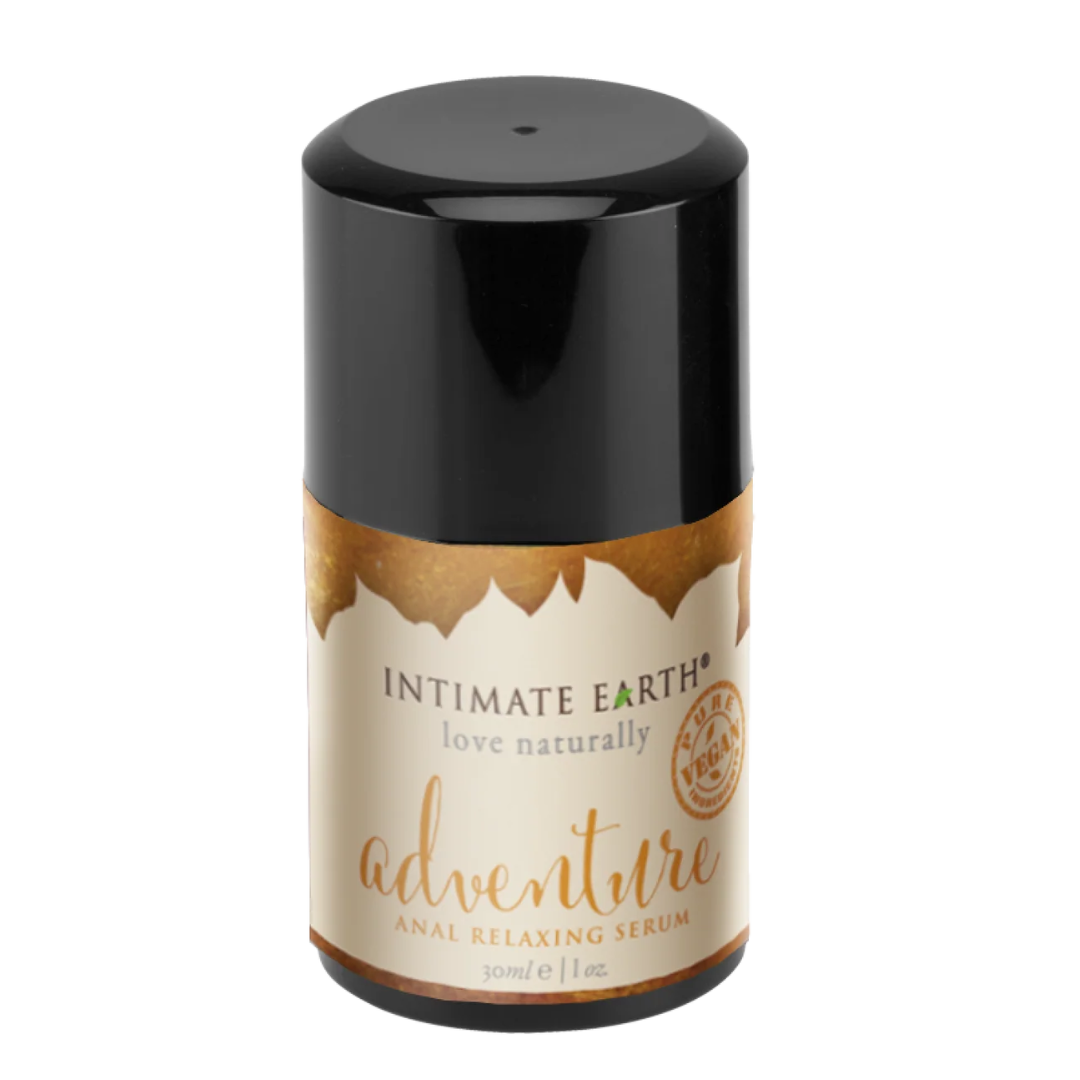
Changes in arousal and sensation are normal. Options like the Wicked Sensual Care Awaken Clitoral Gel can help enhance sensitivity, while relaxation serums such as the Intimate Earth Adventure Serum can support pelvic floor relaxation and numbing.
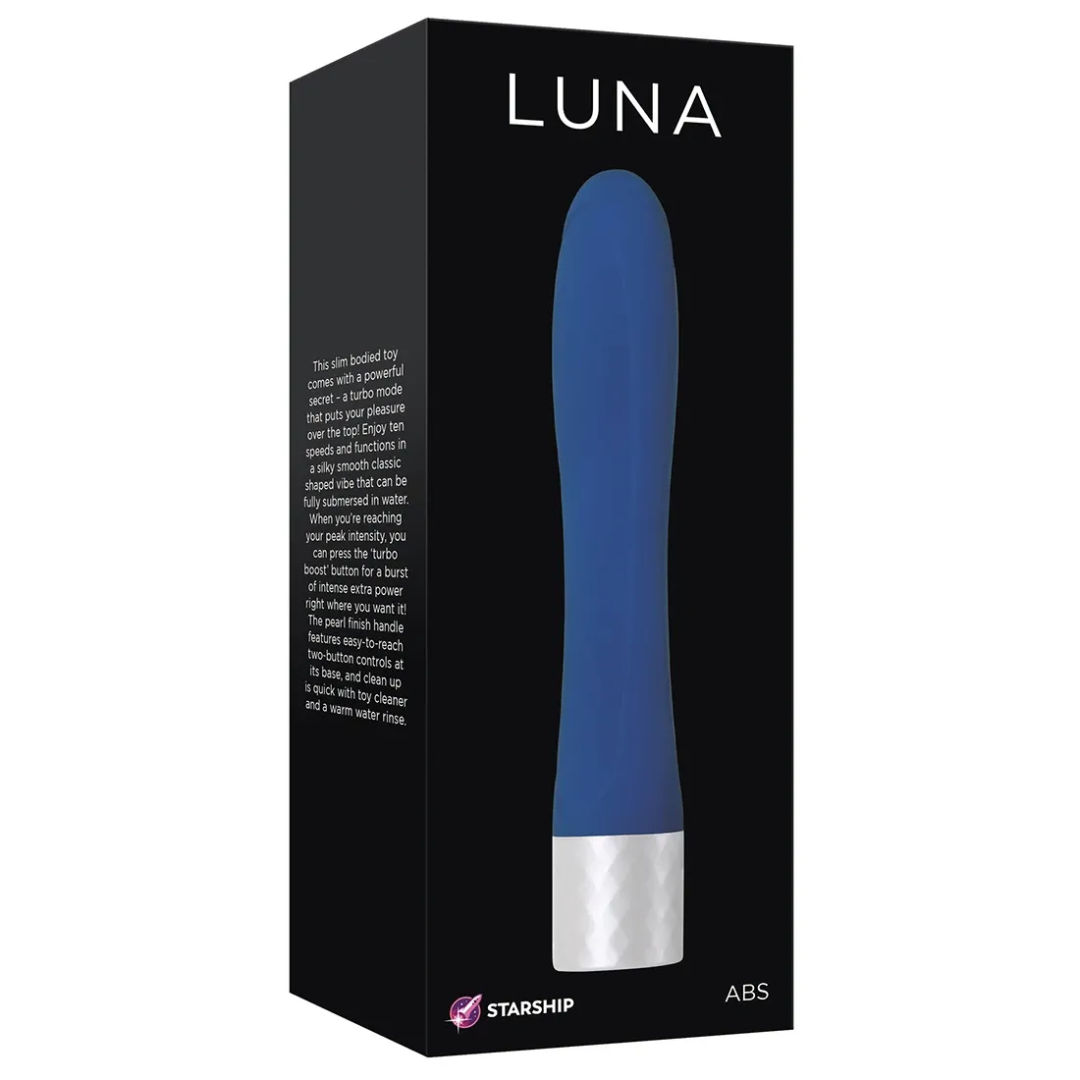
Open communication with partners and exploring new forms of pleasure, including toys like the Starship Luna vibrator, can strengthen intimacy and make sex more enjoyable for everyone involved.
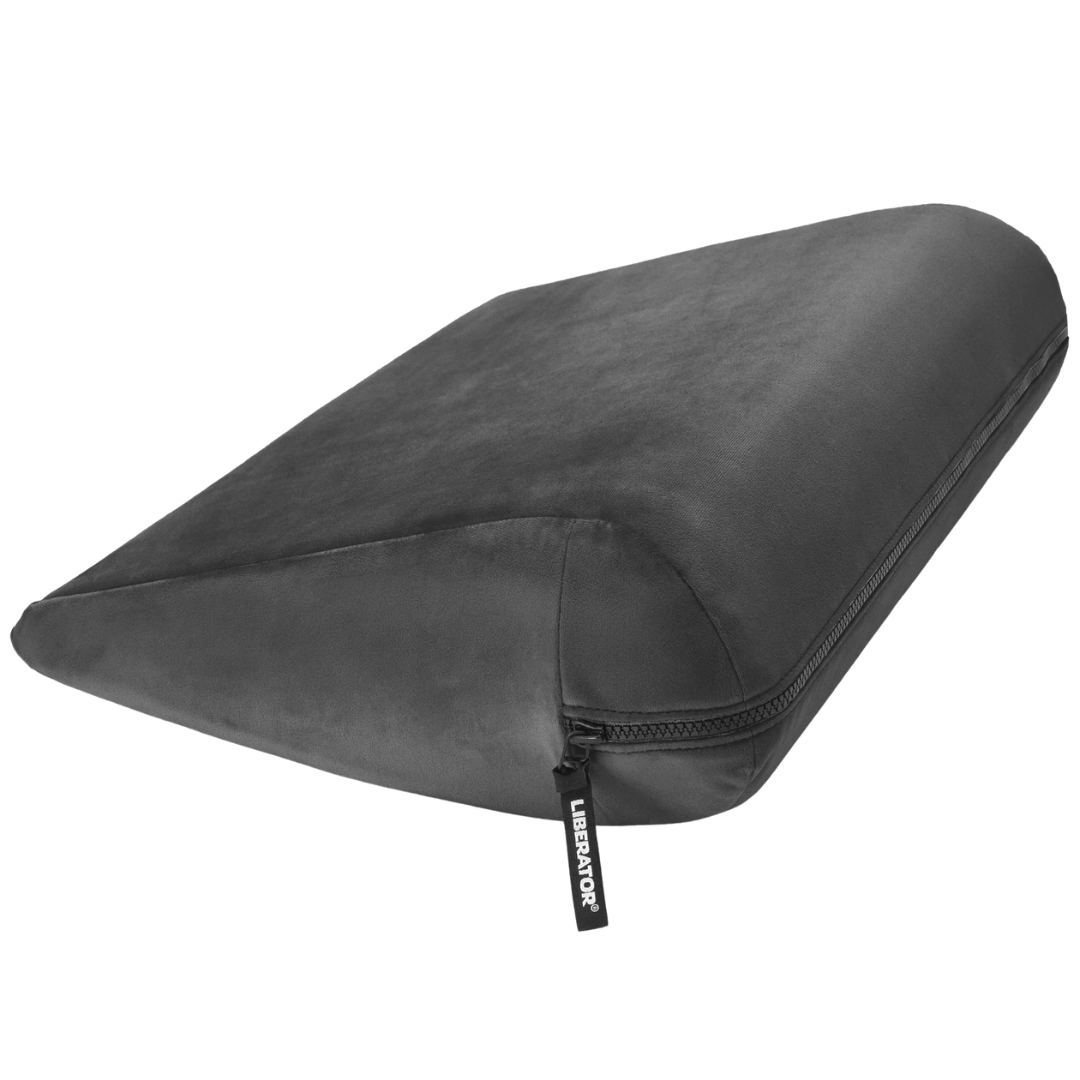
Positioning support can help reduce back, hip, and arm strain during sex as bodies change with age. Options like the Liberator Jaz cushion can provide comfortable support and improve alignment for more enjoyable intimate experiences.
Safe sex remains important after menopause. If you are not in a monogamous, long-term relationship, condoms are still necessary to prevent STIs, as thinner vaginal tissues can increase vulnerability.
The physiologic changes that affect sexual function during menopause are largely driven by declining estrogen levels. Estrogen affects sensory perception, nerve transmission, blood flow, and muscle tension, all of which play a role in sexual response [National Library of Medicine].
Some of the most common changes during menopause include:
Vaginal dryness and thinning of vaginal tissues.
Delayed clitoral reaction time and slower orgasmic response.
Decreased or delayed vaginal lubrication.
Reduced blood flow to the genital area.
Changes in libido and sexual desire.
More than a third of people in perimenopause or menopause report having sexual difficulties. These difficulties can affect desire, arousal, orgasm, and even cause pain during sex. These challenges often overlap, and addressing one area can sometimes help with others.
For trans and non-binary individuals, these changes can intersect with gender-affirming hormone therapy (GAHT) in complex ways. Hormone therapy can alter or mask menopausal symptoms, making it more difficult to recognize the onset of menopause. Testosterone therapy, for example, may cause symptoms like hot flashes, night sweats, and changes in sexual desire. It is important to work with a healthcare provider who understands these nuances.
Vaginal dryness is the main symptom of what is called genitourinary syndrome of menopause (GSM). GSM used to be known as vaginal atrophy. With this condition, vaginal tissues become thinner and more easily irritated as a result of failing estrogen levels during menopause.
More than 15% of women experience vaginal dryness before menopause, and over half experience it after menopause [The Cleveland Clinic]. Symptoms can extend beyond discomfort during sex and may include:
Burning and itching
Bleeding after sex due to tissue irritation
Soreness in the vulva
Frequent urinary tract infections
Needing to urinate more often
Without treatment, vaginal dryness can affect quality of life and contribute to relationship stress, depression, or anxiety.
For individuals on testosterone therapy, vaginal dryness can also occur due to the suppression of estrogen production. This is an important consideration for trans men and non-binary people who may not anticipate these changes as part of their transition.
Pain during sex, known as dyspareunia, is one of the most common and distressing symptoms of menopause. The primary cause is vaginal dryness and thinning tissues, which create friction and micro-tears during penetration.
Pain can also be caused by vaginismus, a conditioned response where the pelvic floor muscles tighten involuntarily in anticipation of pain. This can become a cycle where the expectation of pain leads to tension, which in turn makes penetration more painful.
There are several approaches to addressing pain during sex:
Using high-quality lubes to reduce friction.
Allowing more time for arousal before penetration.
Practicing pelvic floor exercises to improve muscle control.
Using relaxation supports that do not numb sensation, allowing the body to respond naturally.
Consulting a healthcare provider for prescription options when needed.
For vaginal dryness that causes mild discomfort during sex, starting with a good quality lube and moisturizer can help [Office on Women’s Health]. Lubes can be applied before and throughout sex to ease pain during intercourse, while moisturizers are used every few days to keep vaginal tissues hydrated and healthy.
Understanding the distinction between these two types of support can help you choose the right option for you.
Lubes are for use during sexual activities. They reduce friction and discomfort in the moment.
Moisturizers are for ongoing use. They help maintain vaginal tissue health and can be used regularly regardless of sexual activity.
Moisturizers and lubes can be used together for optimal comfort. For individuals on hormone therapy, it’s worth noting that certain formulas may interact with or complement your existing regimen. Speak with your healthcare provider about what is safe to use with your hormones.
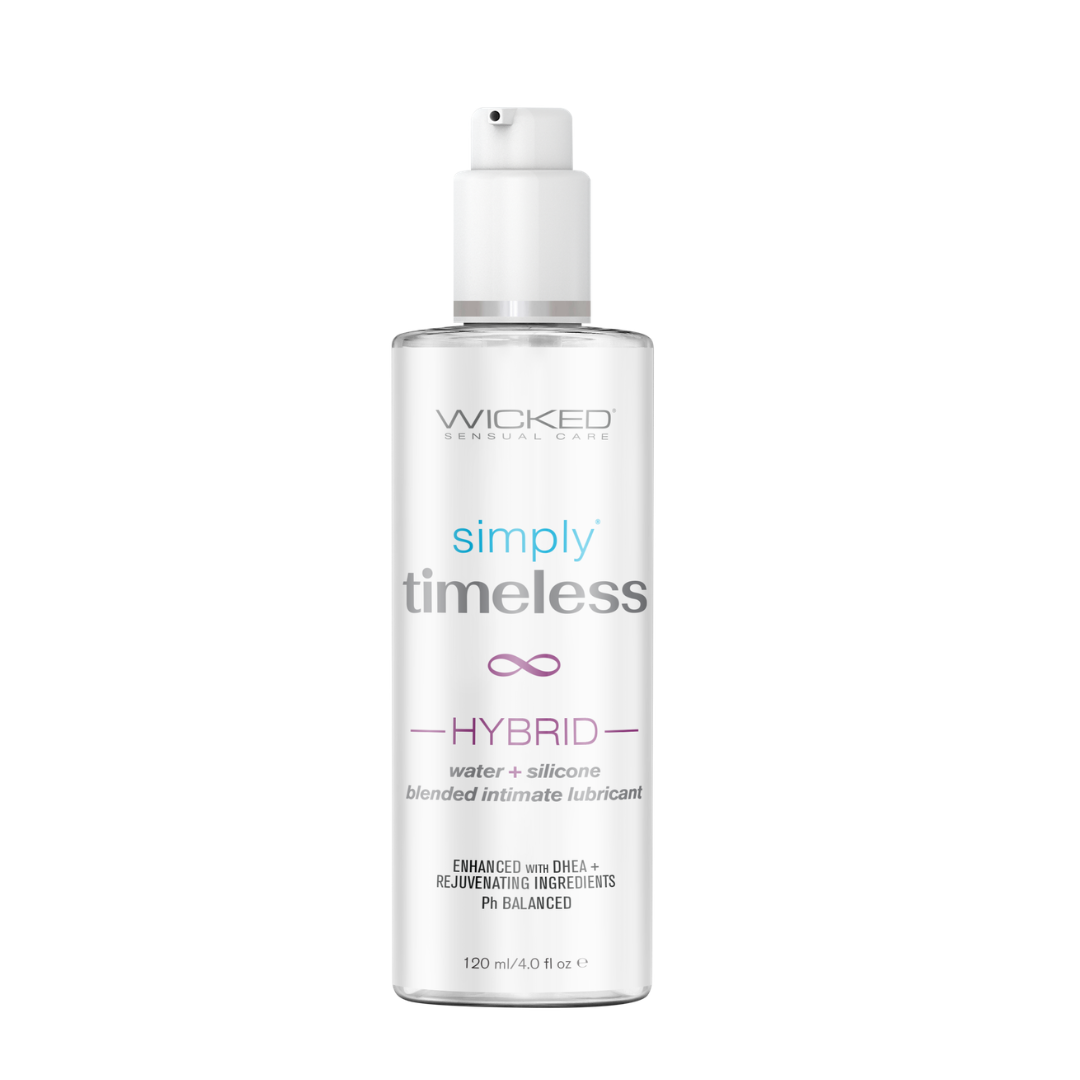
Some formulas, like those in the Wicked Sensual Care simply timeless® collection can serve both purposes. These products are free from glycerin, parabens, and propylene glycol, which are ingredients that can cause irritation for some. Each lube in the simply timeless® collection is made with those going through perimenopause or menopause in mind, making them excellent lubricants for menopause dryness.
Available in a water-based, silicone, or hybrid formula, each one contains ingredients that can help alleviate dryness and promote more comfortable and satisfying sex. Better yet, these can also be used daily as a vaginal moisturizer.
Wicked Sensual Care simply timeless® Aqua |
Wicked Sensual Care simply timeless® Silicone |
Wicked Sensual Care simply timeless® Hybrid |
|
|
|
 |
Changes in arousal and orgasm are common during menopause. The drop in estrogen can lead to reduced blood flow to the genitals, which may result in:
Needing more time to become aroused.
Decreased sensitivity in the clit.
Slower or less intense orgasmic responses.
Relaxant and arousal serums and gels can provide additional support.
For people who want to enhance sensation to the clit, the Wicked Sensual Care Awaken Clitoral Gel can be a great help. This gel is free from L-arginine and parabens and is safe for use with sex toys and latex condoms. A little goes a long way and it can help re-ignite sensation.
Some people find a relaxation serum helpful in keeping the pelvic floor relaxed. Intimate Earth Adventure Serum contains organic extracts including clove, goji berry, aloe, and lemongrass that can help the body relax without causing numbness. This can be particularly helpful for individuals who experience tension in response to anticipated discomfort. While the Adventure Serum is primarily marketed for anal, it’s safe for vaginal use and can be helpful during this phase of life.
The hormonal shifts of menopause can significantly affect mental health, often leading to mood swings, depression, and anxiety. For trans and non-binary individuals, these challenges can be compounded by societal stigma and misunderstandings. Proactively addressing mental health is crucial. Consider seeking therapists or counselors who specialize in gender identity and menopause.
Individuals who have more open communication with partners regarding sexual function report having greater sexual satisfaction. This can be a strength to draw upon during the menopausal transition. For non-binary individuals, the intersection of menopause with gender identity can also bring up feelings of distress or isolation. Some people may experience a shift in their gender identity at the time of menopause. Building a support network of understanding friends, family, and healthcare professionals can be invaluable.
Open communication with partners is an important part of navigating intimacy after menopause. Topics to discuss with your partner includes:
What feels good and what doesn’t.
Times when you may feel more relaxed.
Which positions are more comfortable for you.
Whether you need more time to get aroused than before.
Ways to enjoy physical connection other than vaginal intercourse, such as oral sex or massage.
In some cases, changes in sexual function can affect relationships, and relationship dynamics can also affect sexual function. For those with partners, discussing the intersection of menopause and gender identity may also be relevant. Partners can play an important role in providing support and understanding during this time.
Incorporating toys into intimate moments can be a supportive way to enhance sensation and explore new forms of pleasure. This can be especially helpful as bodies change with age; this applies for both partners. Men also experience sexual changes as they get older, including erectile challenges and changes in sensitivity, so these options can benefit everyone.
Toys are not a replacement for connection or communication; they are an additional resource that can make intimacy more enjoyable and accessible. They can help bridge the gap when arousal takes longer or when certain types of stimulation become less effective. They also allow an opportunity to expand the definition of sex beyond penetration.
The Starship Luna is one option that provides adjustable speeds and functions for versatile play. It features a slim design and turbo button that delivers a burst of extra power when desired. This vibrator is fully submersible, making it easy to clean and suitable for use in water settings. Its range of speeds and pinpoint size allows partners to explore what feels best, whether used during foreplay or as part of the larger experience.
As bodies change with age, certain sexual positions can become uncomfortable or difficult to maintain. Joint stiffness, reduced flexibility, and muscle fatigue can make it challenging to hold positions for extended periods of time. This is a common concern for many people, regardless of gender or hormone status.
Positioning support can help alleviate strain on backs, hips, and arms during sex. Using a supportive cushion or wedge can reduce the physical effort required to maintain a position, allowing for longer, more comfortable intimate experiences. Proper alignment can also improve angles for deeper penetration. They can also be helpful for solo play, providing stability and comfort during self pleasure.
The Liberator Jaz is one positioning aid that offers compact, versatile support. Its high-density foam interior provides firm yet comfortable support, while the velvety microfiber exterior is soft to the touch. Use the Jaz to elevate the hips, support the knees, or provide cushioning for the back. Its smaller size makes it easy to store and travel-friendly. Find what can work best for your needs by taking our Sex Furniture Quiz.
The need for protection against sexually transmitted infections (STIs) doesn’t end with menopause. After menopause, you may be more likely to get an STI from sex without a condom because vaginal dryness or irritation is more common. This can cause small cuts or tears during sex, making it easier for infections to enter the body.
Condoms remain the best method for preventing STIs when you are not in a long-term, monogamous relationship where both partners have been tested.
Menopause brings changes to the body, but it does not have to mean the end of a satisfying intimate life. The research is clear that there are many effective approaches to managing common symptoms like vaginal dryness, pain during sex, and changes in arousal.
What can I do to improve my sexual health before and after menopause?
Stay physically active, practice pelvic floor exercises, allow time to become aroused, avoid smoking, limit alcohol, and avoid products that irritate the vagina. Regular sexual activity can also help by increasing blood flow to the vagina and keeping tissues healthy.
How to treat vaginal dryness?
For mild discomfort, over-the-counter vaginal lubricants and moisturizers are effective options. Lubes are used during sex, while moisturizers are used every one to three days to maintain tissue health. It’s recommended to start with these options before considering prescription treatments. For more severe symptoms, healthcare providers may prescribe vaginal estrogen creams, tablets, or rings, or non-hormonal medications.
Do I still need to use protection after menopause?
Yes. If you are not in a monogamous, long-term relationship, it is recommended to continue using condoms after menopause. Menopause can make you more vulnerable to STIs because vaginal dryness and irritation are more common, which can cause small cuts or tears during sex.
Can women still get wet after menopause?
Yes. While many people experience reduced natural lubrication after menopause, the body can still produce moisture. Using a high-quality lube can supplement natural lubrication and make sex more comfortable.
Is pain during sex during menopause normal?
Pain during sex is a common symptom of menopause, but it’s not something you have to accept as inevitable. The drop in estrogen can cause vaginal tissues to become thinner and drier, leading to discomfort during penetration. There are effective treatments available, including lubes, moisturizers, and prescription options. If you are experiencing pain, it’s worth discussing with a healthcare provider.


