



2026-10-20 00:47:21
Sign up for our newsletter/email specials

Find Your Perfect Sex Toy – Take Our Pleasure Products Quiz!


Written by the Starship Education Team
Last Updated: October 2026
Sexual wellness is a phrase that gets used often and defined rarely. At its core, it refers to the physical, emotional, and social factors that shape a person’s sexual health and satisfaction. Queer sexual wellness takes that framework and applies it to people whose identities, bodies, and relationships have historically been left out of the conversation, or worse, stigmatized by it. The history of queer sexual wellness is not a footnote to the broader story of sex education. It’s a story of people who built their own frameworks when no one else would.
Sexual wellness means having access to accurate information, affirming care, and safe products, along with the freedom to make decisions about your own body without shame or coercion.
Queer sexual wellness has a long history of people building their own education and care when institutions would not.
Trailblazers like Dr. Magnus Hirschfeld, Richard Berkowitz and Michael Callen, lesbian safer-sex activists, Dr. Alan L. Hart and Dr. John E. Fryer pushed healthcare and education toward inclusion from inside their own fields, and that work shapes how affirming care is practiced today.
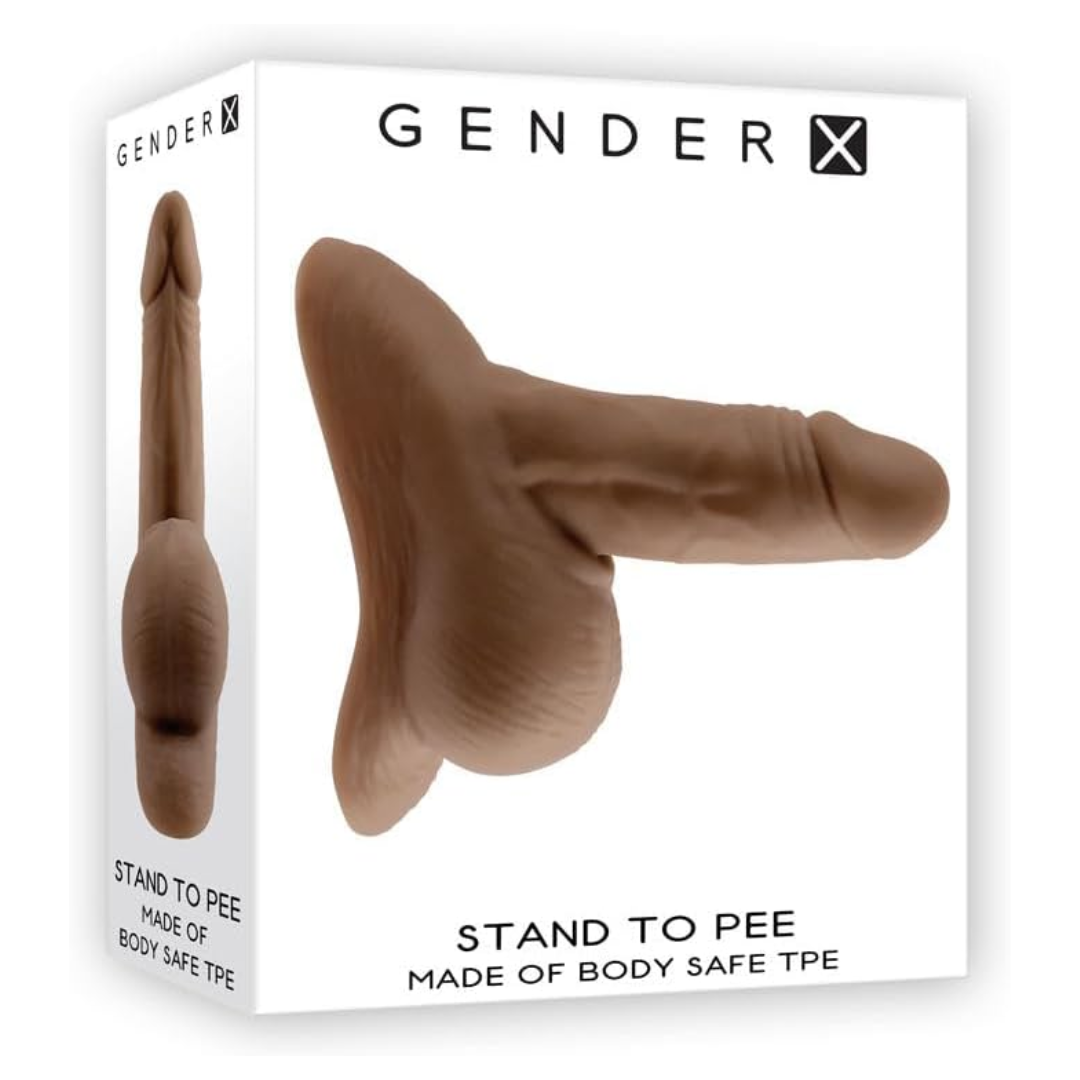
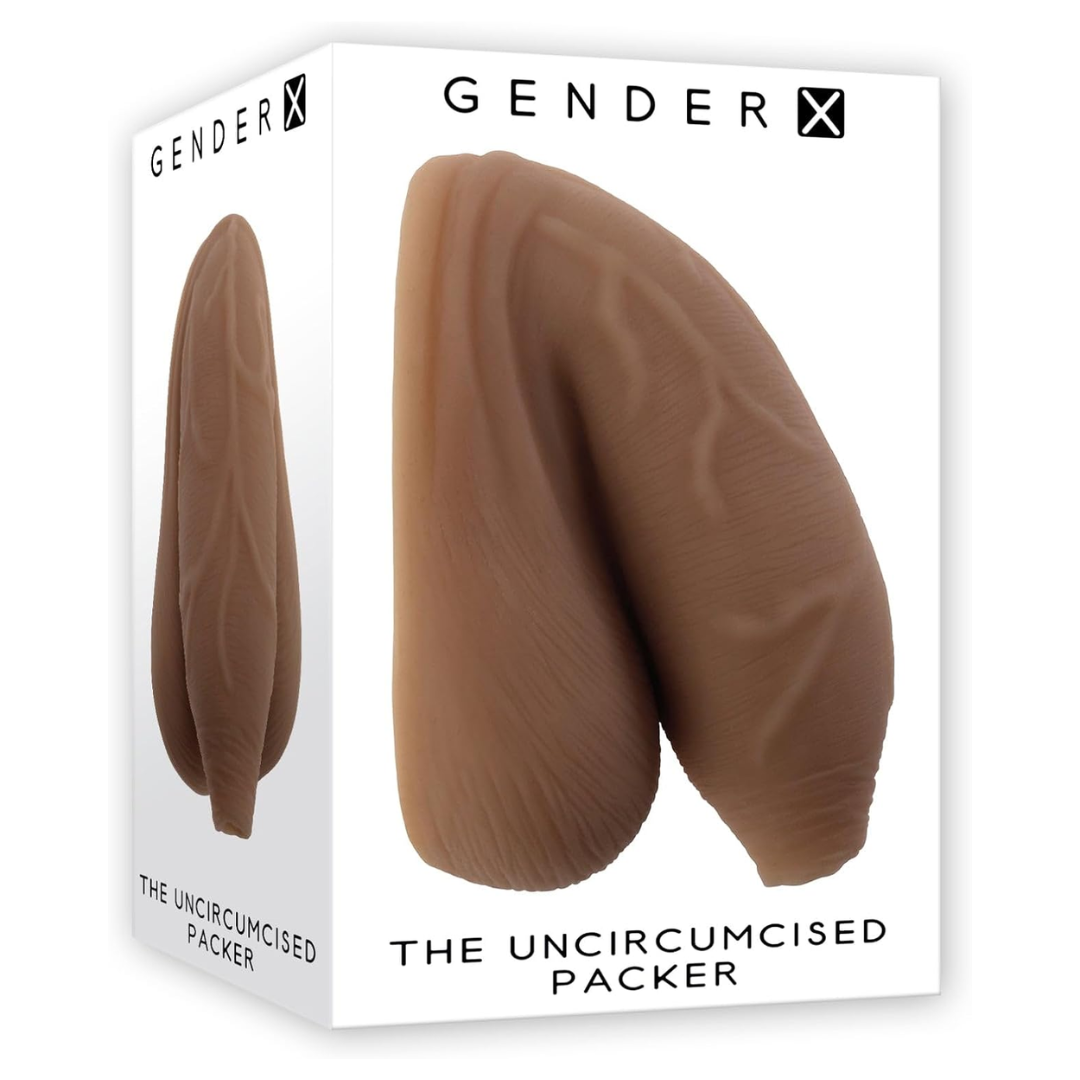
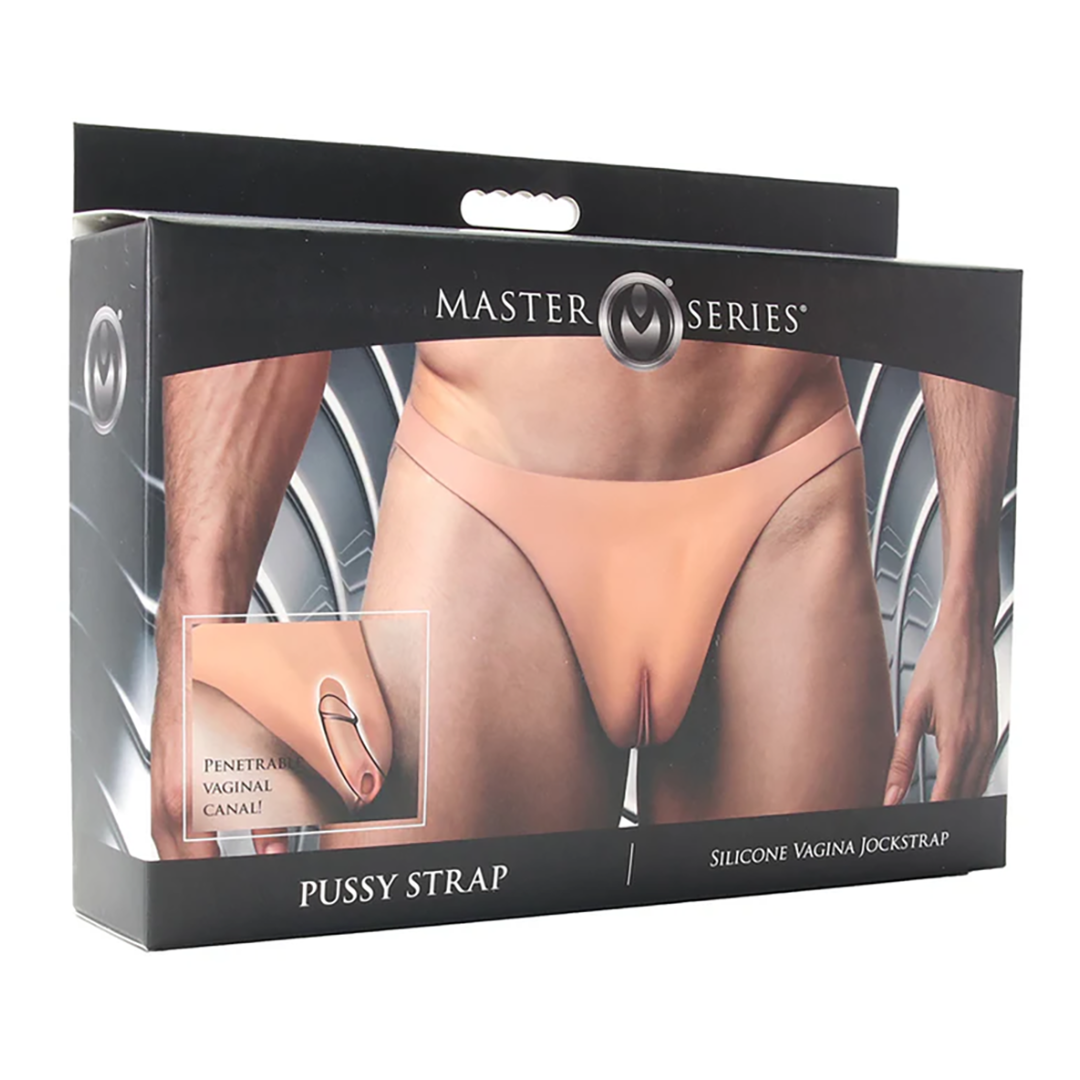
Gender affirming products support daily comfort. Gender X Packers, Stand-to-Pee, and Master Series Pussy Strap are made for trans people who want prosthetics that fit their bodies.
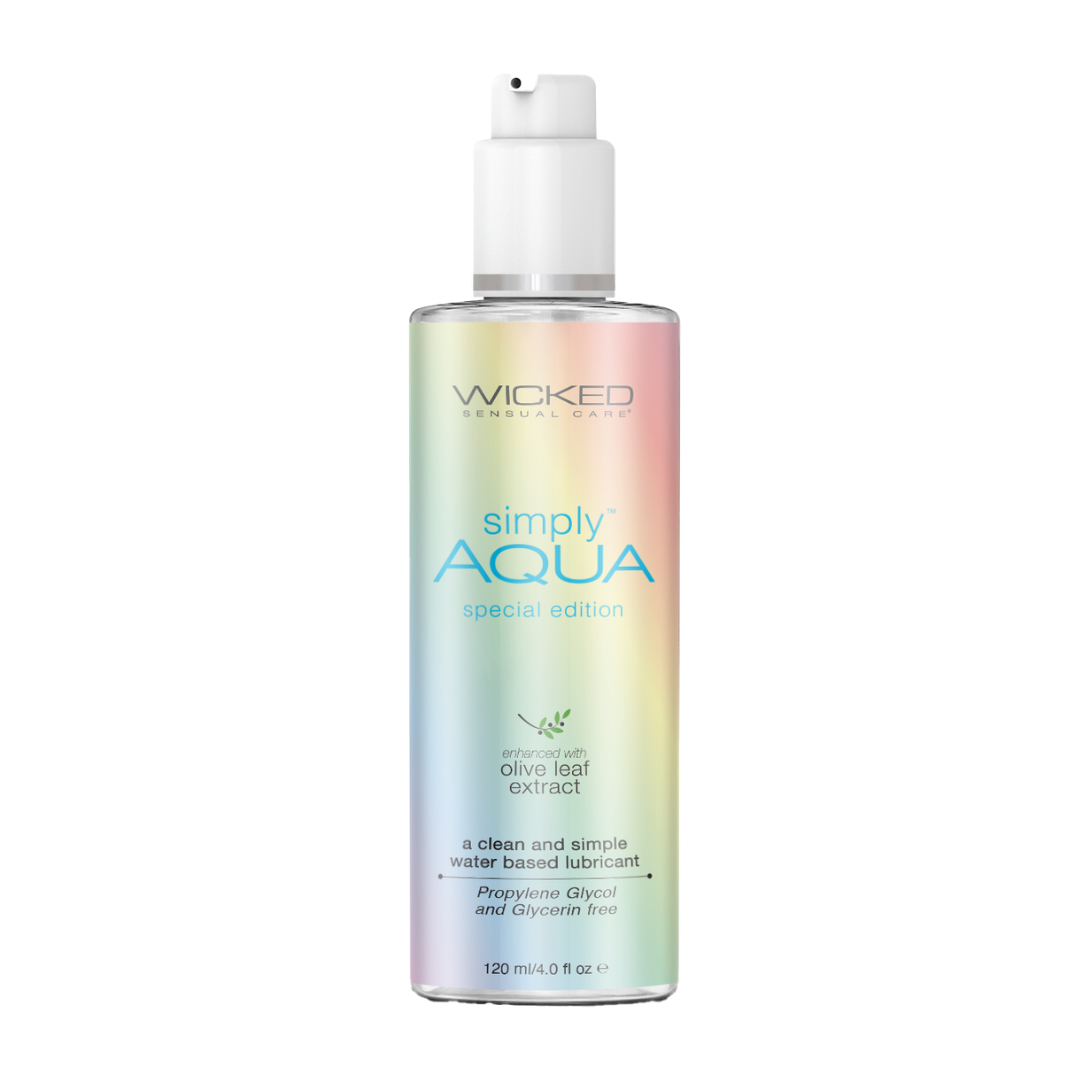
Pride forward products like the Blush Avant Pride Dildo P1 and P8 make intimacy affirming rather than hidden, and Wicked Sensual Care simply® special edition lube supports comfort during sex while giving back to LGBTQ+ foundations and charities.
Sexual wellness is the state of being able to experience and express sexuality in a way that supports physical health, emotional well-being, and personal pleasure. It includes access to accurate information, affirming healthcare, safe products, and the freedom to make decisions about your own body without shame or coercion. For queer people, each of those elements has historically required a fight.
The history of sex education in the United States shows a long pattern of exclusion. The Sexuality Information and Education Council of the United States (SIECUS) traces how sex education evolved from awkward and exclusionary frameworks into something more affirmative, but that shift took decades of advocacy. For much of the twentieth century, queer people were not just omitted from sex education. They were actively misrepresented in it, if they were mentioned at all.
Queer sexual wellness emerged as a response to that gap. It’s not a separate set of rules, it’s the same set of principles applied to people who were excluded from the original conversation. That means centering pleasure, consent, safety, and identity in ways that reflect lived experience rather than assumption.
Anti-gay curriculum laws adopted in more than a dozen states in the 1980s, detailed in the Columbia Law Review’s analysis of anti-gay curriculum laws, restricted how schools could discuss homosexuality. Those laws shaped what an entire generation learned, or did not learn, about their own bodies and relationships. Queer sexual wellness grew in the space those laws left empty.
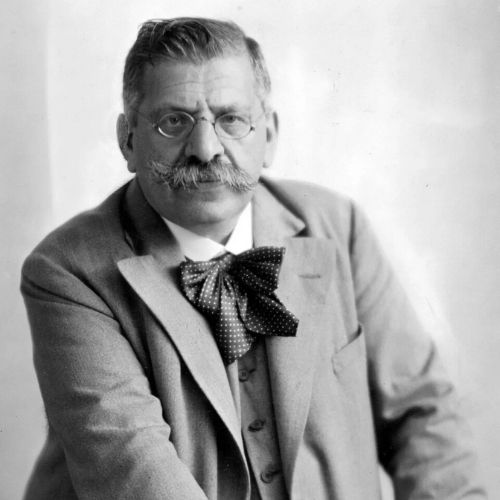 Dr. Magnus Hirschfeld was a German Jewish physician and sexologist working in the late nineteenth and early twentieth centuries, and he argued thatqueerness was an innate and natural part of human diversity rather than an illness or aberration. He started the Scientific Humanitarian Committee in 1896 to lobby for the repeal of the German penal code that criminalized homosexuality, published papers and books making that case, and co-wrote and acted in the film Anders als die Andern, which featured one of the first LGBTQ+ characters written for film. In 1919 he founded the Institute for Sexual Science in Berlin, one of the first centers dedicated to research, education, advocacy, and patient support related to sex, sexuality, and gender, where doctors pioneered the first gender affirming medical interventions including surgery and hormone therapy. The Nazi party formed the same year the Institute opened, and in 1933 the Sturmabteilung burned its library, destroying decades of research.
 One of the earliest examples of community-led safer sex education came in 1983, when Richard Berkowitz and Michael Callen wrote a safer sex guide at a time when government response to the AIDS crisis was absent. The ArchiveGrid archival record for Richard Berkowitz documents his work as a gay AIDS activist and author whose writing helped establish the principle that gay men could make informed decisions about their own health. Their approach centered pleasure and honesty rather than fear, and it treated the people reading it as capable rather than reckless.
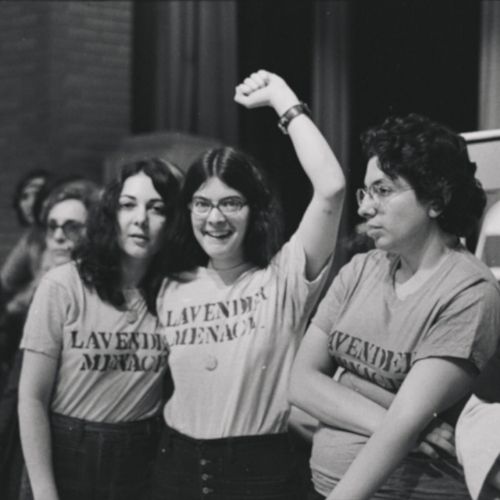 Lesbian activists built parallel frameworks when mainstream AIDS education overlooked them. The NIH Bookshelf chapter on lesbian safer-sex history documents how lesbian health activists created their own guidance, including publications that positioned lesbian sexual health as a site for pleasure and information rather than only risk. These were not official materials from health agencies. They were community resources, made by and for the people who needed them, and they filled a gap that institutions left open.
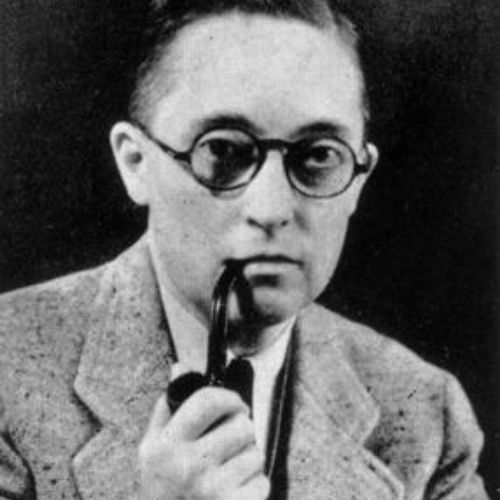 Dr. Alan L. Hart was a physician, radiologist, and tuberculosis researcher who is widely recognized as one of the first people in the United States to undergo gender affirming surgery. At a time when tuberculosis was a major public health threat, he helped advance the use of X-ray technology to detect the disease earlier, which meant patients could receive care sooner and communities saw reduced spread of infection. His career carried real risk. Living as a transgender man in the early twentieth century could have ended his medical practice, but he continued practicing and contributing to public health anyway.
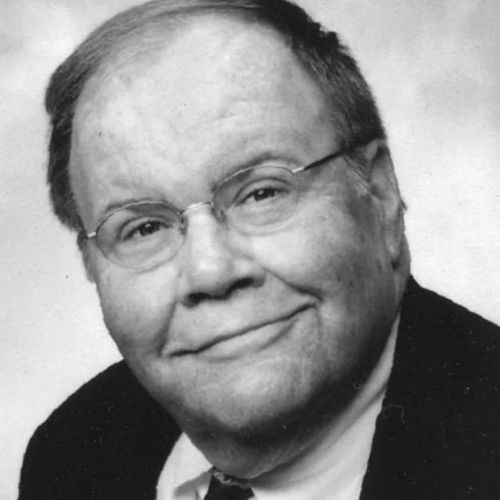 For much of the twentieth century, homosexuality was classified as a mental illness in the Diagnostic and Statistical Manual of Mental Disorders (DSM), a labelthat reinforced stigma and shaped how LGBTQ+ people were treated in healthcare settings. In 1972, Dr. John E. Fryer attended the American Psychiatric Association’s annual meeting wearing a mask and using the name Dr. H. Anonymous. He spoke as a gay psychiatrist at a time when being openly gay could cost physicians their careers. His message carried weight because it came from inside the profession, demonstrating that gay people were not only patients being discussed by psychiatrists, but also physicians and colleagues. The following year, the APA removed homosexuality from the DSM as a mental illness.
The frameworks those pioneers built are now embedded in how inclusive sex education and affirming care are practiced, even if the connection is not always named.
SIECUS, which began advocating for comprehensive sex education decades ago, now pushes for curricula that are affirmative and empowering rather than exclusionary. The shift from omission to inclusion did not happen because institutions changed on their own. It happened because people applied pressure and built alternatives in the meantime.
Gender affirming care has followed a similar path. The Fenway Health packers and STP guide treats gender affirming prosthetics as standard health tools, not novelties, and provides practical guidance on how to choose and use them. That framing reflects decades of advocacy by trans people who insisted that their needs be treated as legitimate healthcare rather than fringe interests.
Queer people identified a gap, built a solution, and then pushed for that solution to be recognized as normal and necessary. The history of queer sexual wellness is not finished. It’s still being written by people who are doing the same work today.
Gender affirming products can help a person express or embody their gender in a way that feels right to them. For trans and nonbinary people, these products can reduce dysphoria, support daily comfort, and make sexual expression more accessible. They’re not cosmetic extras, they serve a practical function, and for many people, that function is tied directly to well-being.
Packers and packers with stand-to-pee function are designed for transmasculine people who want the visual or physical experience of a bulge; they tuck into close-fitting underwear.
The Gender X packers are made from phthalate-free and latex-free TPE, waterproof, and submersible, with a realistic shape and weight designed to sit securely in close-fitting garments. Gender X provides variety in skin tone and circumcised and uncircumcised options.
For transfeminine people and anyone exploring tucking or penetrative play, the XR Pussy Strap Vagina Jockstrap is designed to tuck up in-the-way genitalia while adding a detailed vulva and a fully penetrable canal. The jockstrap style leaves the backdoor accessible for those who want the options, and the body-safe silicone is easy to clean with soap and water.
A great way to show support for all those who made it possible for us to be ourselves, is to support queer-owned toy brands. Oxballs is owned and designed by Stephen Lane, who founded the brand and has spoken about coming out and finding acceptance as a gay man in the late 1980s.
The Oxballs Gauge Cock Ring is made from Super Flex TPR, a soft, stretchy, phthalate-free material that is safe with water based or silicone lube. The design mimics gauged jewelry without the rigidity, so it flexes instead of pinching or digging.
Lube is the unsung hero of the pleasure world and should be on everyone’s nightstand. A lube that also supports a good cause? Even better.
Wicked Sensual Care’s simply® special edition lube is a water-based lube that is glycerin-free, propylene glycol-free, and paraben-free. Proceeds from every bottle go towards LGBTQ+ foundations and charities each month. Support your sexual wellness by reducing friction and discomfort while giving back to the community.
The history of queer sexual wellness is a history of people who refused to accept exclusion as permanent. Magnus Hirschfeld argued that queerness was natural when the medical establishment called it illness. Richard Berkowitz and Micahel Callen wrote safer sex guidance when no one else would. Lesbian activists built their own health frameworks when mainstream organizations ignored them. Dr. Hart and Dr. Fryer pushed healthcare towards something more inclusive from inside their own fields.
These pioneers' work continues into today. Every time a trans person finds a packer that fits their body, every time someone buys a product that supports LGBTQ+ people, and every time inclusive education replaces exclusion, that legacy moves forward. The people who built this foundation didn’t do it for recognition. They did it because it was necessary.
What is queer sexual wellness?
Queer sexual wellness is the application of sexual wellness principles to queer people, meaning it centers physical health, emotional well-being, pleasure, consent, and identity in ways that reflect queer lived experience. It exists because mainstream sex education and healthcare historically excluded or misrepresented queer people.
Who were the first queer sex educators?
Magnus Hirschfeld built some of the earliest frameworks for sexology and gender affirming care in the late 1800s and early 1900s. Richard Berkowitz and Micahel Callen wrote one of the earliest safer sex guides in 1983, and lesbian health activists created their own safer-sex frameworks when mainstream AIDS education overlooked them.
What are gender affirming products?
Gender affirming products are tools that help a person express or embody their gender in a way that feels right to them. Examples include packers, tucking garments, and other prosthetics. For many trans and nonbinary people, these products reduce dysphoria and support daily comfort and sexual expression.
Why is queer sexual wellness history important?
It documents how queer people built their own education and care systems when institutions would not. Understanding that history shows that current inclusive practices did not appear on their own. They came from advocacy and community work.
What can I do to support queer wellness?
You can support organizations that provide inclusive education, buy from brands that give back to LGBTQ+ causes, and keep learning about the history of queer sexual wellness. Small choices add up.


